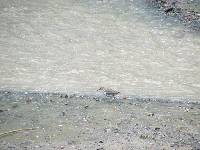
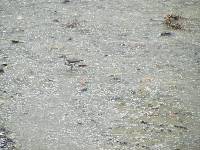
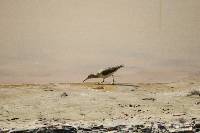
The spotted sandpiper (Actitis macularius) is a small shorebird. Together with its sister species the common sandpiper (A. hypoleucos), it makes up the genus Actitis. They replace each other geographically; stray birds may settle down with breeders of the other species and hybridize.
Taxonomy
The spotted sandpiper was formally described by the Swedish naturalist Carl Linnaeus in 1766 in the twelfth edition of his Systema Naturae under the binomial name Tringa macularia. The type locality is Pennsylvania. The species is now placed together with common sandpiper in the genus Actitis and was introduced in 1811 by the German zoologist Johann Illiger. The genus name Actitis is from the Ancient Greek aktites meaning "coast-dweller" from akte meaning "coast". The specific epithet macularius is Latin meaning "spotted". The species is monotypic: no subspecies are recognised.
Description
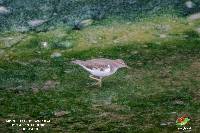
Adults have short yellowish legs and an orange bill with a dark tip. The body is brown on top and white underneath with black spots. These spots vary in degree over the course of spotted sandpipers' lives, becoming especially prevalent around the breeding season. The overall health of spotted sandpipers may be suggested by the "spottiness" of an individual. Generally, females with more "spottiness" were healthier than those who did not have as many spots. The condition of males based on the amount of spots they exhibit is yet to be determined. Additionally, spot size gets smaller and the spot shape becomes more irregularly shaped as age increases. Spotted sandpipers also feature a white supercilium.
Non-breeding birds, depicted below, do not have the spotted underparts, and are very similar to the common sandpiper of Eurasia; the main difference is the more washed-out wing pattern visible in flight and the normally light yellow legs and feet of the spotted sandpiper. The Actitis species have a distinctive stiff-winged flight low over the water. They also have a distinctive walk in which their...