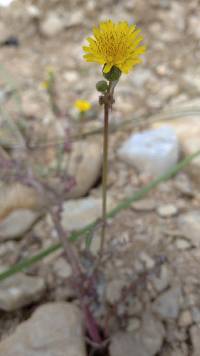
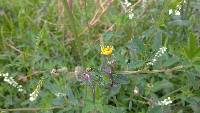
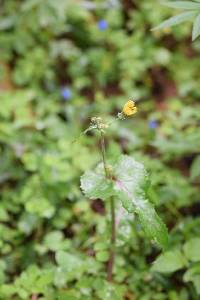
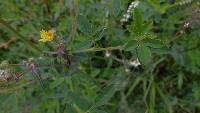
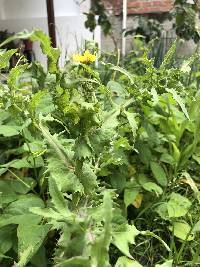
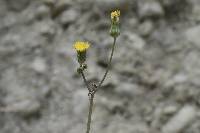
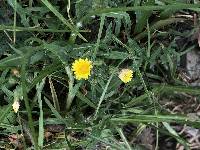
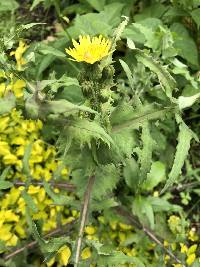
Sonchus oleraceus is a species of flowering plant in the tribe Cichorieae of the family Asteraceae, native to Europe and Western Asia. It has many common names including common sowthistle, sow thistle, smooth sow thistle, annual sow thistle, puha (in New Zealand English, from Māori pūhā), hare's colwort, hare's thistle, milky tassel, milk thistle, and soft thistle.
Description
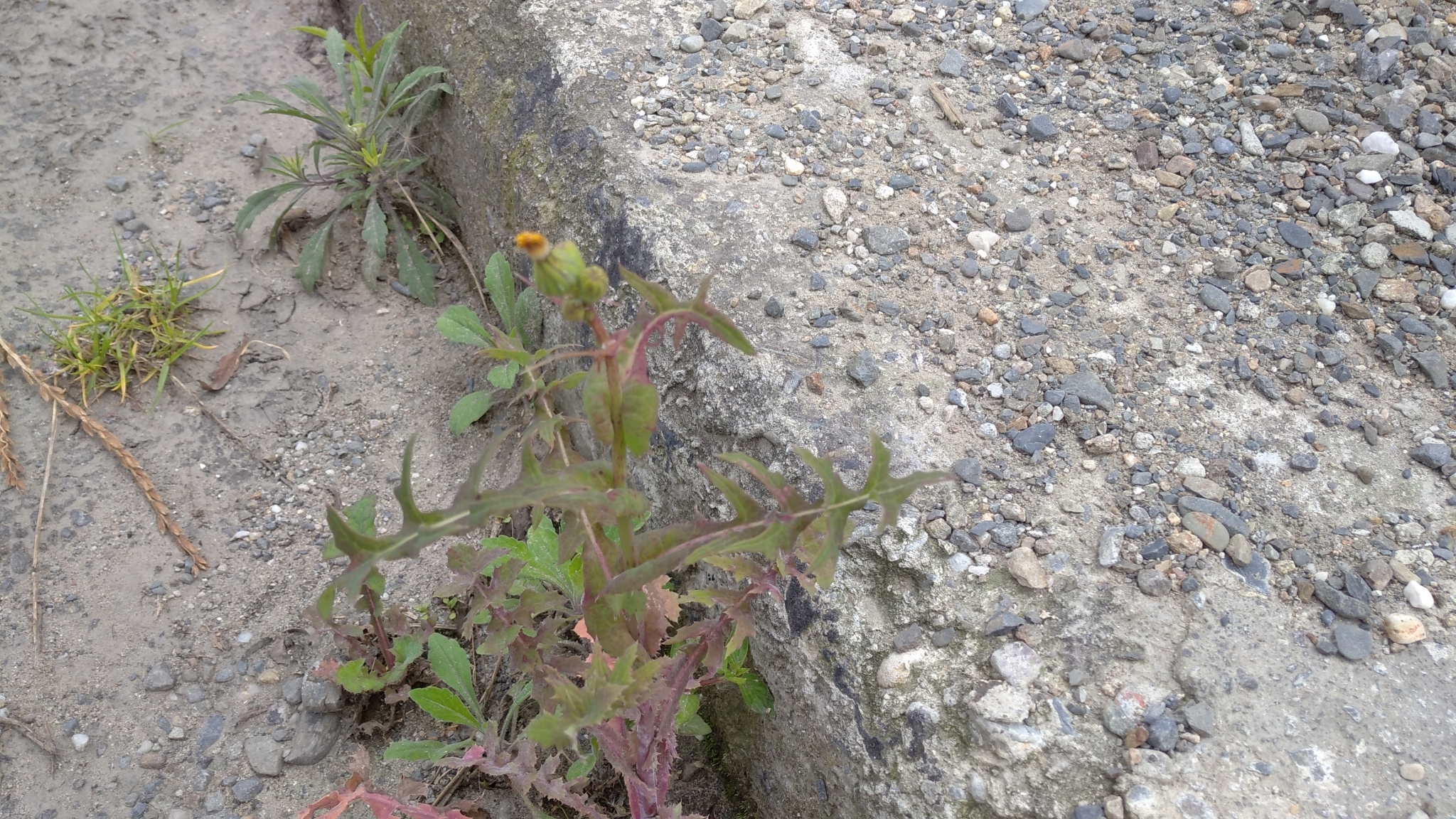
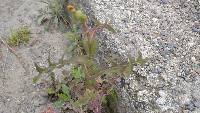
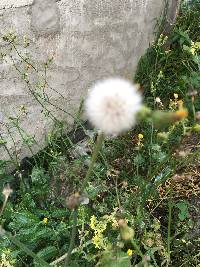
This annual plant has a hollow, upright stem up to 30 to 100 centimetres (12 to 39 in) high. It prefers full sun, and can tolerate most soil conditions. The flowers are hermaphroditic, and common pollinators include bees and flies. It spreads by seeds being carried by wind or water.
@media all and (max-width:720px){
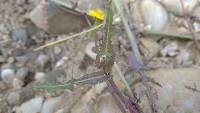
Runcinate leaf
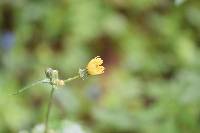
Flower
Etymology
Its specific epithet oleraceus means "vegetable/herbal". The common name 'sow thistle' refers to its attractiveness to pigs, and the similarity of the leaf to younger thistle plants. The common name 'hare's thistle' refers to its purported beneficial effects on hare and rabbits.
Invasiveness
Annual sowthistle is considered an invasive species due to its rapid growth, prolific seed production, and wide dispersal. The plant thrives in disturbed environments, such as roadsides and agricultural fields, spreading aggressively through wind-dispersed seeds. It forms dense populations that outcompete native vegetation by quickly establishing in open areas, particularly after soil disturbance. Sowthistle's resilience to various soil types and its ability to reseed itself make it difficult to control in many regions.
In Australia it is a common and widespread invasive species, with large infestations a serious problem in crops.
Uses
Green salad with carrot, cucumber, onion, sowthistle leaves, and tomato slices
The leaves are eaten as salad greens or cooked like spinach. This is one of the species used in Chinese cuisine as kŭcài (苦菜; lit. bitter vegetable). The younger leaves are less bitter and better to eat raw....