Andesanthus lepidotus, synonym Tibouchina lepidota, also known as alstonville, Andean princess flower, lasiandra, or glory bush, is a medium-sized ornamental tree or a large shrub native to northwestern South America that is cultivated for its masses of purple flowers from autumn right through to winter.
Description
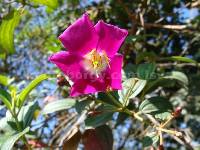
Flower close-up.
The plant is usually between 5 metres (16 ft) to 12 metres (39 ft) tall, but can be as tall as 20 metres (66 ft), creating a vase shape with a spread rounded crown and thick, ligneous, branching stems. The trunk measures up to 80 centimetres (31 in) in diameter at its base, with reddish. flaking bark.
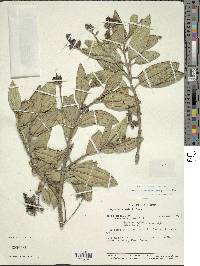
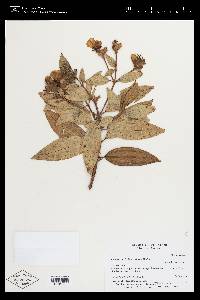
The evergreen leaves are dark green in colour, with lighter undersides and prominent longitudinal veins. They are coarsely hairy, simple, opposite, with a serrated edge, rounded base and a blunt tip. They measure 8 centimetres (3.1 in) long and 4 centimetres (1.6 in) wide. As the leaves age, they turn crimson and are covered by small scales that are brown in colour.
The flowers range from violet or mauve to magenta, 6 centimetres (2.4 in) in diameter. The stamens are yellow in color. Flowers are clustered in inflorescences composed of panicles, and have brown, scaly axils. Flowering occurs from late summer to late autumn in the southern hemisphere.
The plant fruits most of the year, primarily between March and December. Ripe seed capsules are light brown in colour, flaky to the touch, cup-shaped, measuring 1.5 centimetres (0.59 in) in diameter. They release numerous small seeds through holes located at the apex, brown in colour, small in size, with a snail-like shape and a hard seed coat.
Inflorescence
The flowers range from violet or mauve to magenta, 6 centimetres (2.4 in) in diameter. The stamens are yellow in color. Flowers are clustered in inflorescences composed of panicles, and have brown, scaly axils. Flowering occurs from late summer to late autumn in the southern hemisphere....