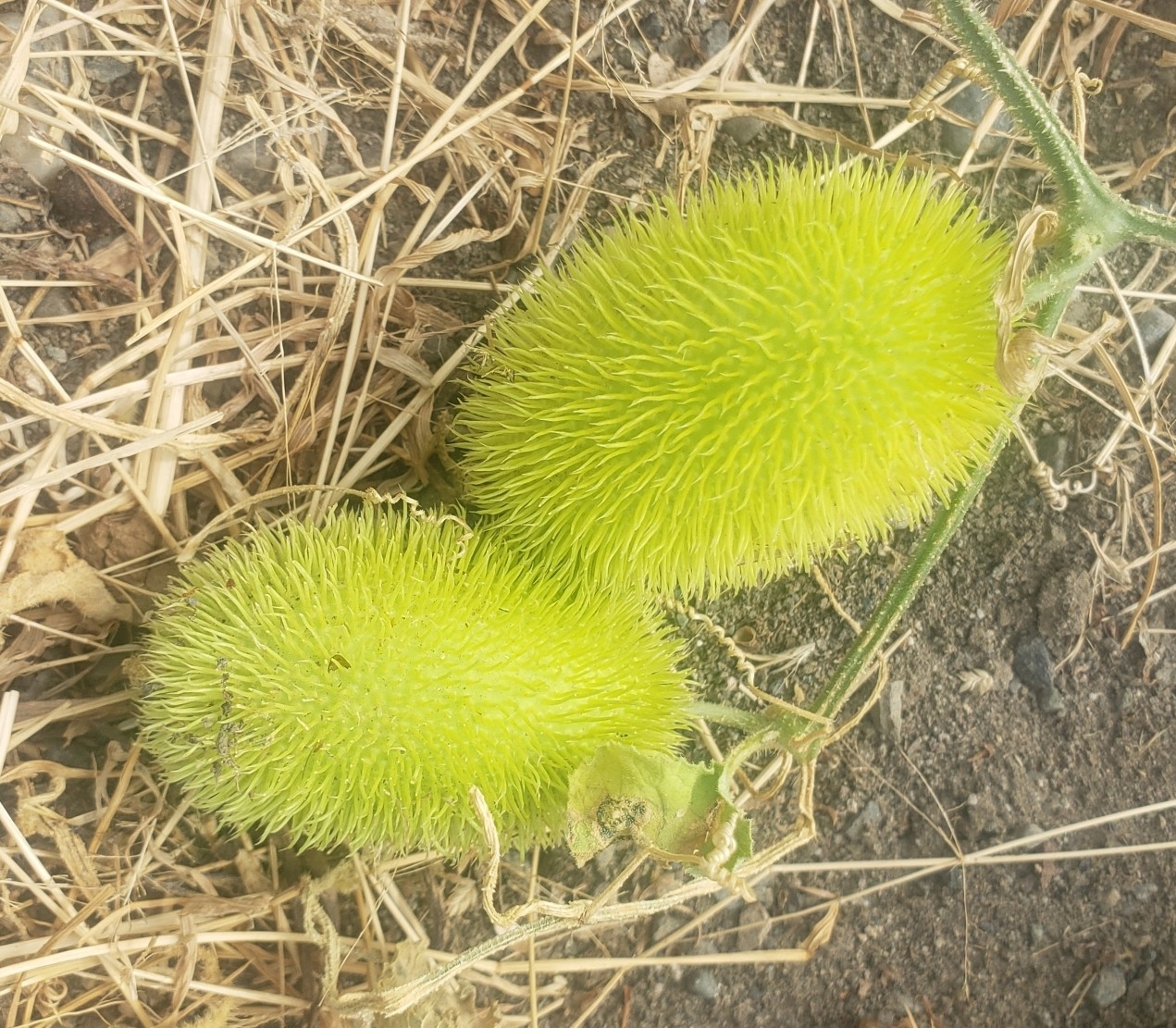
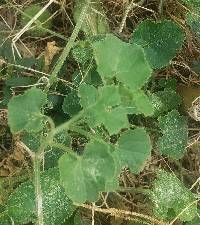
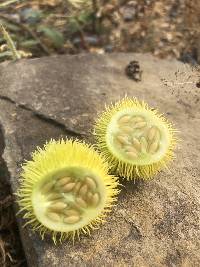
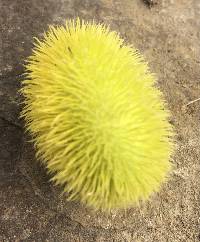
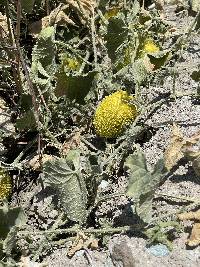
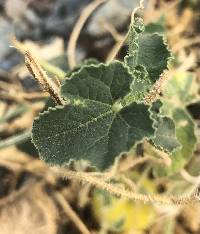
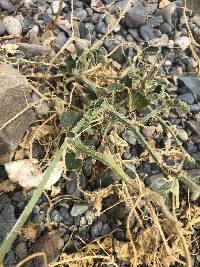
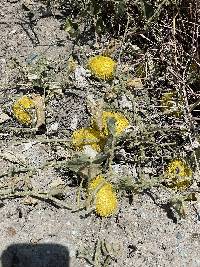
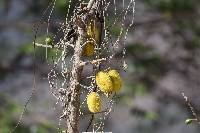
Cucumis dipsaceus, also known as Arabian cucumber or hedgehog cucumber, is an annual climbing herb that can be found in tropical and arid locations. The plant is native to eastern Africa, first found in Sudan, southern Egypt, and Ethiopia. The developed fruits of the plant change from green to yellow and contain many seeds. The hairs that cover the oblong fruits nickname this species the “hedgehog cucumber”.
C. dipsaceus has several usages, as fodder, medicine, and human consumption. The cucumber is normally collected in the wild, but has also been domesticated. The young shoots and leaves of the plant are traditionally cooked with groundnut paste, and with coconut milk when available. The fruit of the plant is used medicinally as an analgesic.
C. dipsaceus has become invasive all across the Americas. This includes islands in Hawaii, several states in the U.S. and islands in South America as well. There are no known methods of control.
Distribution
Cucumis dipsaceus is native to Eastern Africa, first found in Sudan, Southern Egypt, and Ethiopia. C. dipsaceus is cultivated in Eastern Africa and is a commercial crop. The leaf of C. dipsaceus is consumed in these areas for its nutritional value. The fruit of the plant has also been used medicinally as an analgesic.
The vine has spread to grow in Kenya, Somalia, regions of Tanzania, and Uganda. C. dipsaceus can also be found in India in the states of Karnataka and Tamil Nadu with evidence of the plant growing further south of these regions. The method by which the vine spread is not documented, however it is possible that it may have been imported along with food grains. C. dipsaceus has also spread to some islands and some mainlands in the Eastern hemisphere, where it is considered an invasive species. The plant species is invasive in Hawaii, some of the Galapagos islands, Mexico, Peru, and Ecuador.