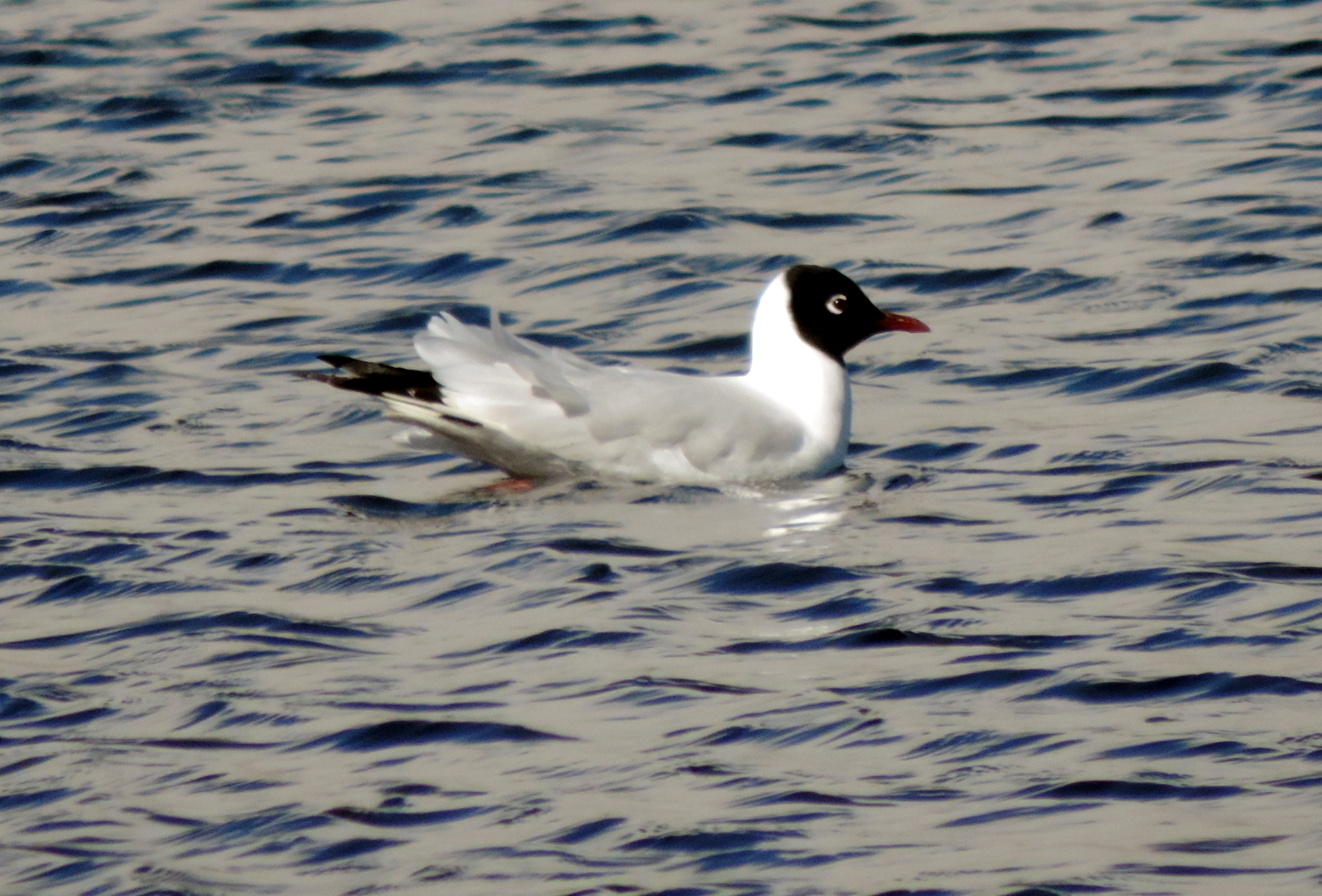
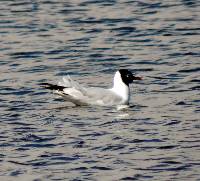
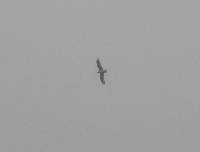
The Andean gull (Chroicocephalus serranus) is a species in subfamily Larinae of the family Laridae, the gulls, terns, and skimmers. It is found in Argentina, Bolivia, Chile, Colombia, Ecuador, and Peru.
Taxonomy and systematics
The Andean gull was long placed in genus Larus. Genetic research has established that Larus sensu lato is paraphyletic so the American Ornithological Society, the International Ornithological Committee, and the Clements taxonomy moved it and 10 other gulls to genus Chroicocephalus. However, BirdLife International's Handbook of the Birds of the World retains all of them in Larus. The systems agree that the Andean gull is monotypic.
Description
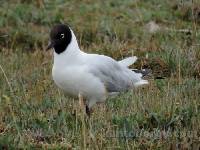
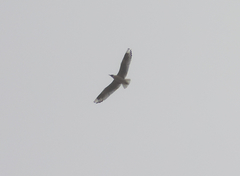
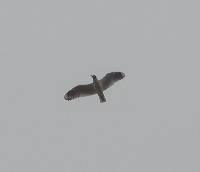
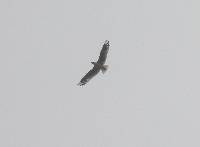
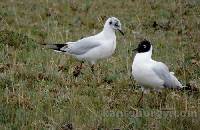
The Andean gull is 42 to 48 cm (17 to 19 in) long and weighs about 480 g (17 oz); it is one of the larger members of its genus. The sexes are alike. Adults in breeding plumage have a glossy black hood with a white crescent behind the eye and a mostly white body with a gray back and sometimes a pink flush on the underparts. Their tail is white. The upper side of their wing is mostly gray with an alternating white-black-white-black pattern on the primaries. The underside of their wing is pale gray with a blackish outer half but for large white "mirrors" on the three outermost primaries. Their bill, legs, and feet are blackish brown with a reddish tinge and their iris is brown. Non-breeding adults have a white head and blackish legs. The Andean gull takes two years to attain adult plumage. In its first year it has some mottled black on its head, a complex black and white pattern on the wings, and a black band near the end of the tail.
Distribution and habitat
The Andean gull is found year-round in the Andes from far southwestern Colombia south through central Ecuador and Peru, western Bolivia, and eastern Chile and western Argentina to about the latitude of the north of Chile's Aysén Region. Many individuals winter on the coast from central Peru south into northern Chile, but it is not known if these are from the highlands to...