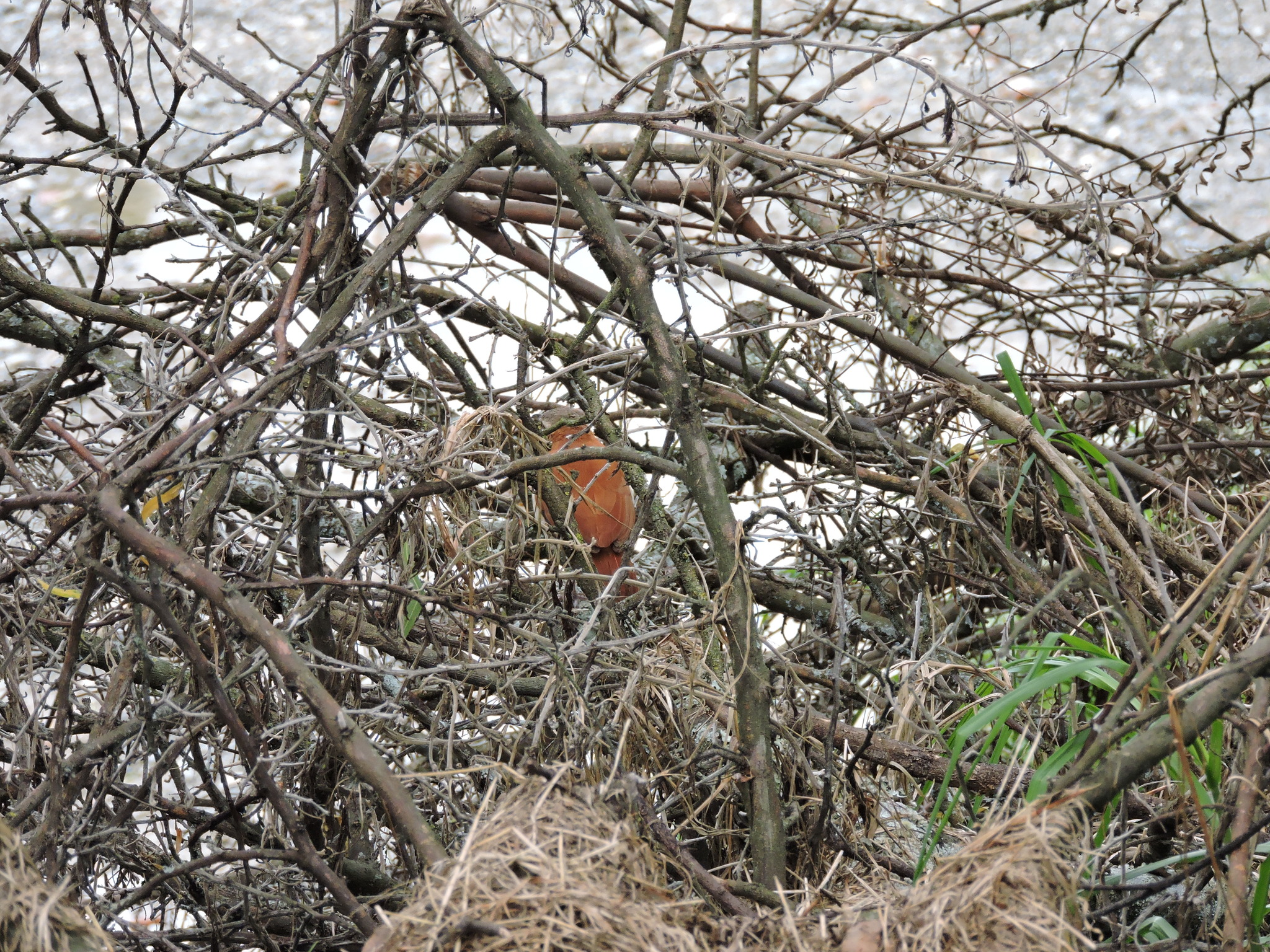
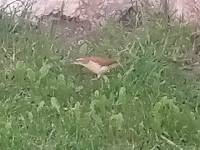
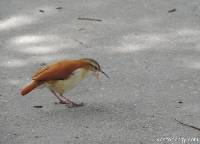
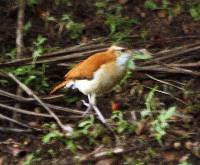
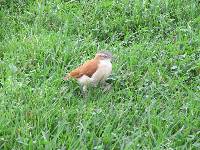
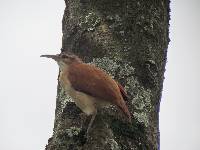
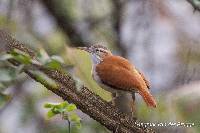
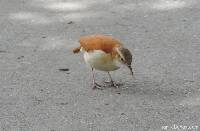
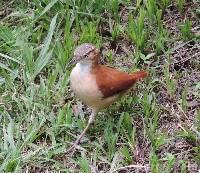
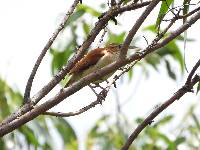
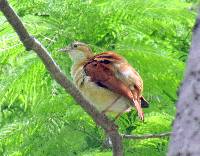
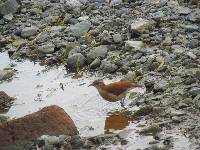
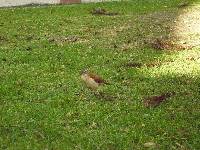
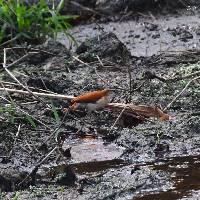
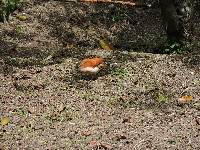
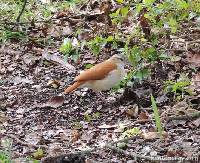
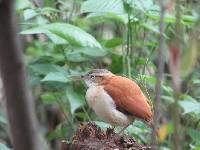
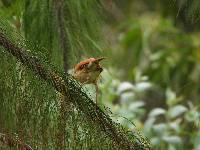
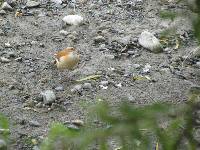
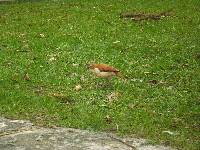
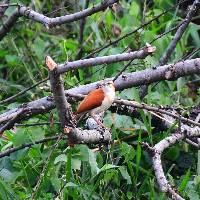
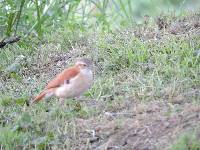
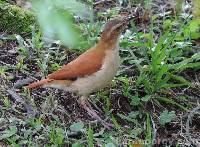
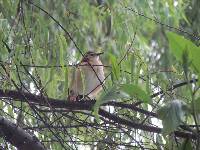
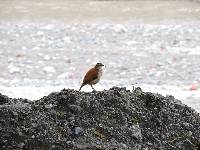
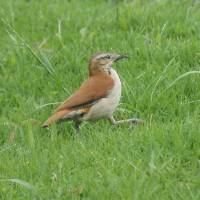
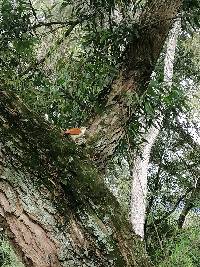
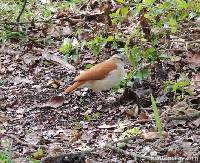
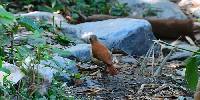
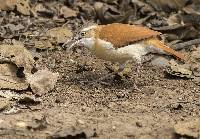
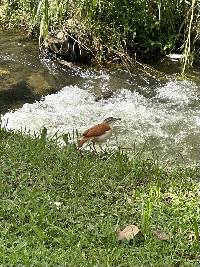
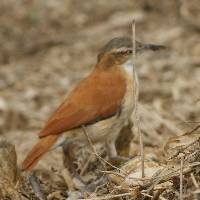
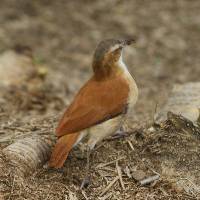
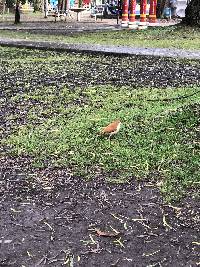
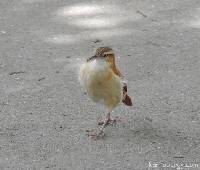
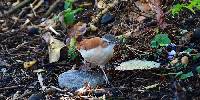
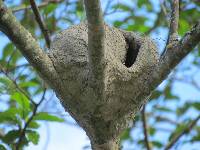
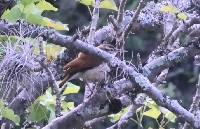
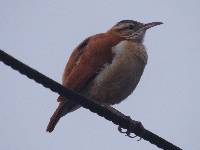
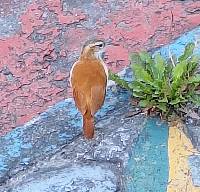
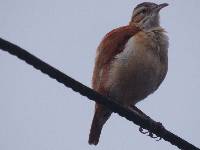
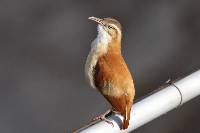
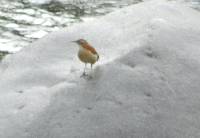
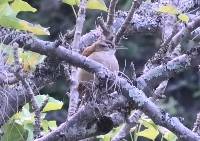
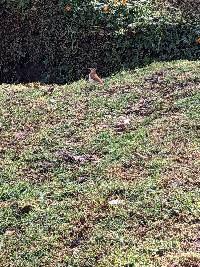
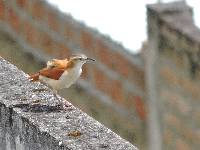
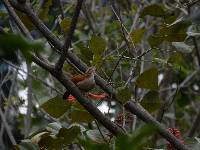
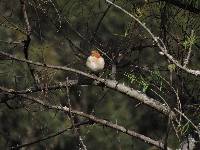
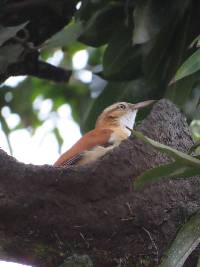
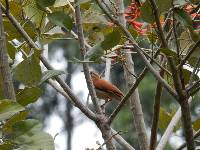
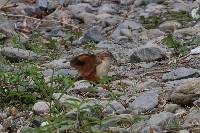
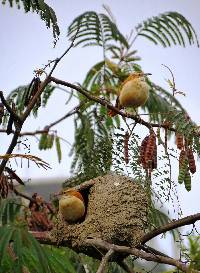
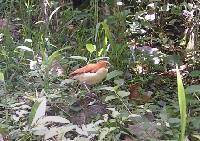
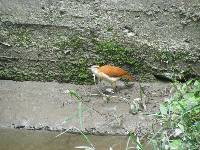
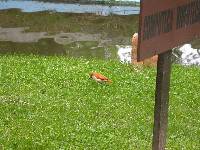
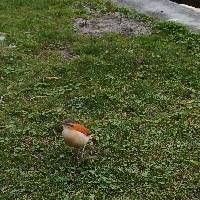
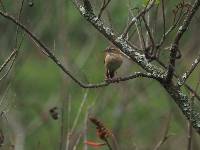
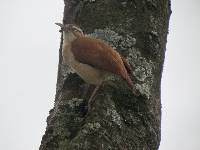
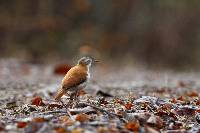
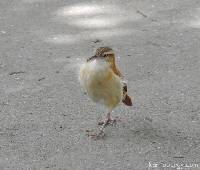
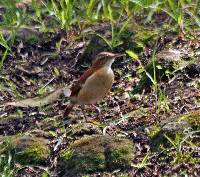
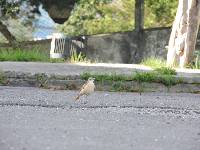
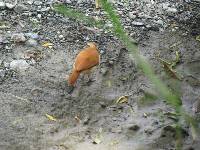
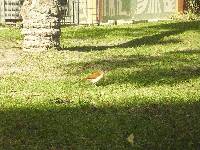
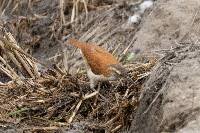
The pale-legged hornero (Furnarius leucopus) is a species of bird in the Furnariinae subfamily of the ovenbird family Furnariidae. It is found in Bolivia, Brazil, Guyana, and Peru.
Taxonomy and systematics
The pale-legged hornero's taxonomy is unsettled. The International Ornithological Committee (IOC), BirdLife International's Handbook of the Birds of the World (HBW), and the Clements taxonomy assign it these four subspecies:
F. l. leucopus Swainson, 1838
F. l. tricolor Giebel, 1868
F. l. araguaiae Pinto & Camargo, 1952
F. l. assimilis Cabanis & Heine, 1860
The South American Classification Committee of the American Ornithological Society (SACC) adds three others, F. l. cinnamomeus (Lesson, 1844), F. l. longirostris (von Pelzeln, 1856), and F. l. endoecus (Cory, 1919). The IOC, HBW, and Clements treat cinnamomeus as the species Pacific hornero and the other two as the Caribbean hornero. Early authors (e.g. Chapman) had treated them separately. The SACC accepts that cinnamomeus may deserve species rank but declined to make the split due to "insufficient published data".
Some authors have treated what is now the pale-billed hornero (F. torridus) as a subspecies of the pale-legged hornero.
This article follows the four-subspecies model.
Description
The pale-legged hornero is 15 to 18 cm (5.9 to 7.1 in) long and weighs about 37 to 49 g (1.3 to 1.7 oz). It is a medium-sized hornero with a long and nearly straight bill. The sexes' plumages are alike. Adults of the nominate subspecies F. l. leucopus have a wide whitish supercilium, brownish gray ear coverts, and a tawny-rufous malar area. Their crown is dark rufescent brown. Their back, rump, and uppertail coverts average bright orange rufous but vary between tawny rufous and rufous amber. Their tail is chestnut. Their wing coverts are chestnut and their flight feathers blackish with a wide chestnut band. Their throat is white that becomes tawny-ochraceous on the breast. Their flanks are paler...