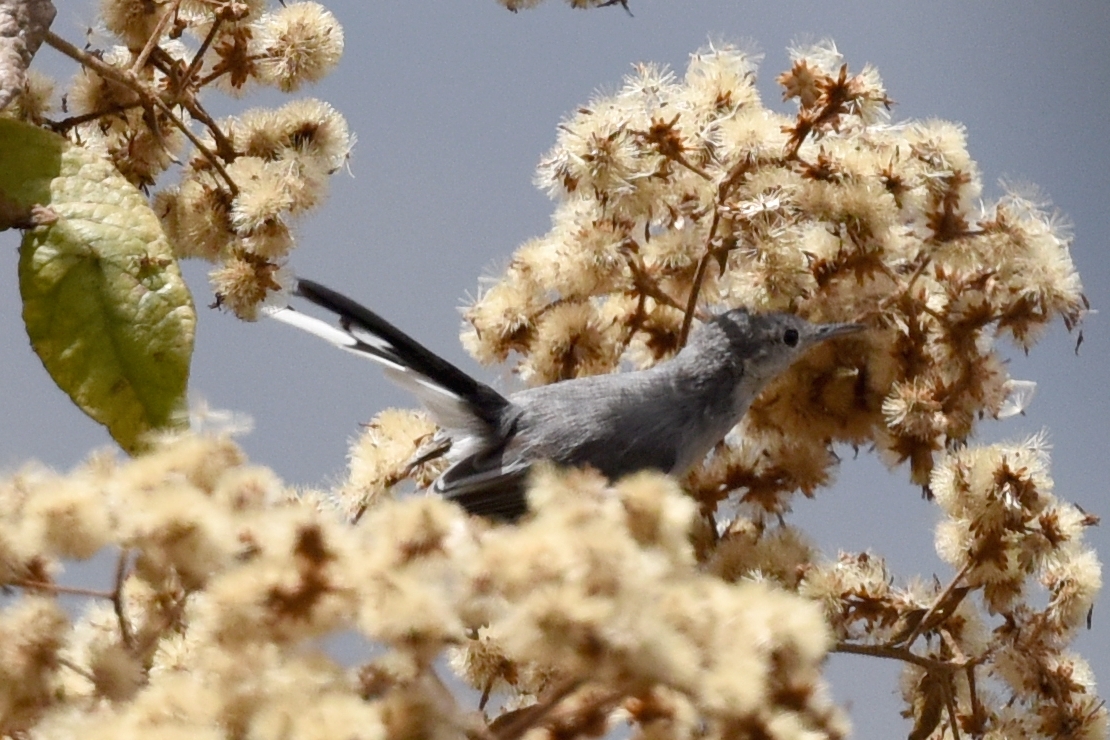
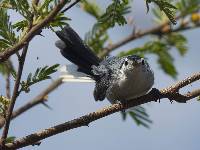
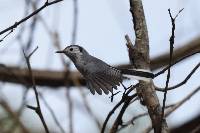
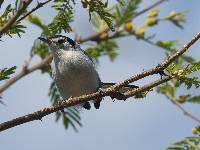
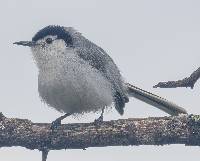
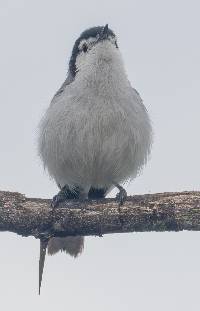
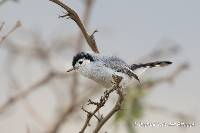
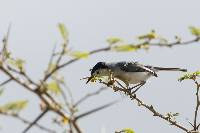
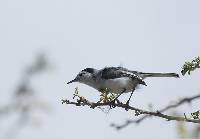
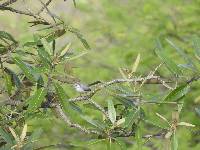
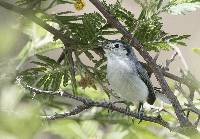
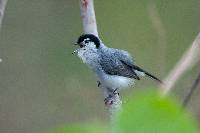
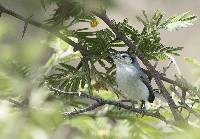
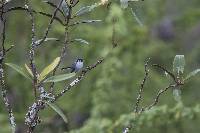
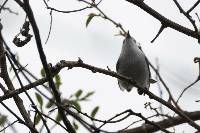
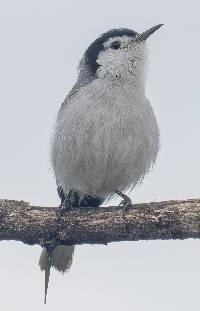
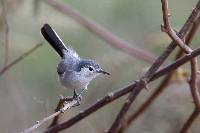
The tropical gnatcatcher (Polioptila plumbea) is a small active insectivorous songbird, which is a resident species throughout a large part of northern South America. It was formerly considered as conspecific with the white-browed gnatcatcher and the Marañón gnatcatcher.
Taxonomy
The tropical gnatcatcher was formally described in 1788 by the German naturalist Johann Friedrich Gmelin in his revised and expanded edition of Carl Linnaeus's Systema Naturae. He placed it in the genus Todus, coined the binomial name Todus plumbeus and specified the type locality as Suriname in South America. The specific epithet plumbeus is Latin meaning "plumbeous" or "lead-coloured". Gmelin based his account on the "Plumbeous tody" that had been described in 1782 by the English ornithologist John Latham in his book A General Synopsis of Birds. Latham had examined a specimen in the collection of the British Museum. The tropical gnatcatcher is now one of 17 gnatcatchers placed in the genus Polioptila that was introduced in 1855 by the English zoologist Philip Sclater.
The tropical gnatcatcher was formerly considered to conspecific with the white-browed gnatcatcher (Polioptila bilineata) and the Marañón gnatcatcher (Polioptila maior). The species were split based partly on a phylogenetic study of the gnatcatchers published in 2018.
Six subspecies are recognised:
P. p. anteocularis Hellmayr, 1900 – central Colombia
P. p. plumbiceps Lawrence, 1865 – northeast, east Colombia and north Venezuela
P. p. innotata Hellmayr, 1901 – east Colombia to central Guyana and north Brazil
P. p. plumbea (Gmelin, JF, 1788) – Suriname, French Guiana and north Brazil
P. p. atricapilla (Swainson, 1831) – northeast Brazil
P. p. parvirostris Sharpe, 1885 – east Ecuador, northeast Peru and northwest Brazil
Description
The adult tropical gnatcatcher is 10 to 12 cm (3.9–4.7 in) long, and weighs 6 to 8 g (0.21–0.28 oz). Its "jizz" is similar to that of other...