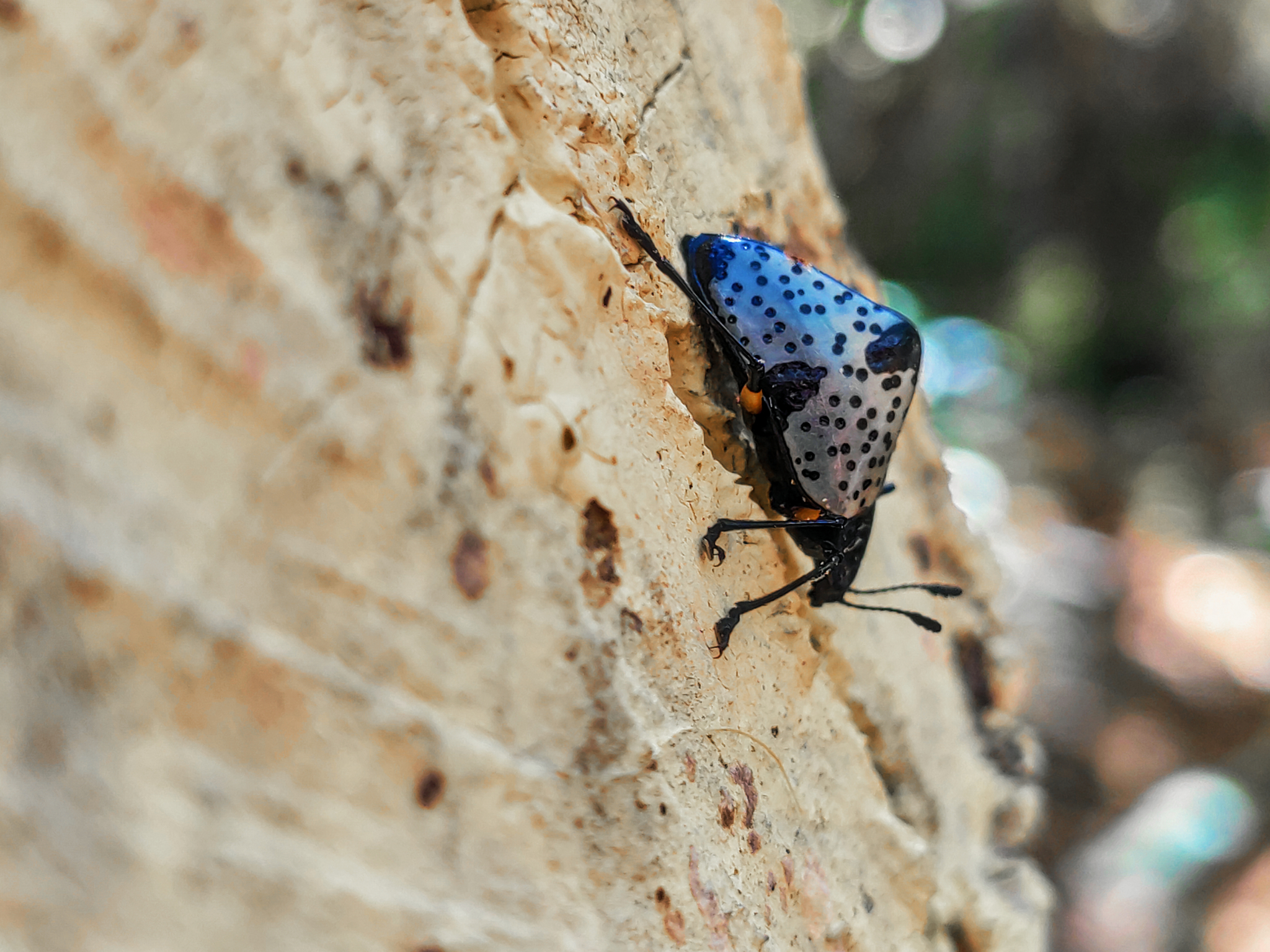
Erotylidae, or the pleasing fungus beetles, is a family of small beetles. At most some 2 cm (less than 1 inch) long, some species of Erotylidae are as small as 2 mm. They belong to superfamily Cucujoidea and contain hundreds of genera, with much more than 3.000 described species, and new ones being discovered even today. The family name, like the common name referring to their often colorful, shiny and rounded "cute" appearance, means "darling" or "beloved" (from Ancient Greek ἐρωτύλος); they were historically popular with insect collectors.
In the present circumscription, the family contains up to 10 subfamilies (Cryptophilinae, Dacninae, Encaustinae, Erotylinae, Languriinae, Loberinae, Megalodacninae, Pharaxonothinae, Tritominae, and Xenoscelinae, but see below). In other words, the narrowly circumscribed Erotylidae correspond to the subfamily Erotylinae in the former definition sensu lato; other subfamilies of the old loosely-defined Erotylidae have nowadays been restored to independent family status within the Cucujoidea.
Pleasing fungus beetles are an ancient lineage, probably originating considerably more than 100 million years ago. The oldest fossil assigned to this group is an undescribed species known from Early Cretaceous (Barremian) Lebanese amber.
Description and ecology
Unidentified pleasing fungus beetle on bracket fungus in Singapore
These beetles are typically smallish (less than 1 cm long) as adults, and have a more or less oval "pill-shaped" form; some genera are elongated, some are more rounded. Their antennae are rather large compared to their overall size, and usually prominently expanded at the tip. The usual coloration of pleasing fungus beetles is either black (often with a few jagged bands across or large spots on the elytra in a contrasting reddish-ochre to yellowish color), tan to chestnut brown (often with numerous small black dots on the upperside), or part black part brown without pattern. While most genera have a shiny surface, occasionally with...