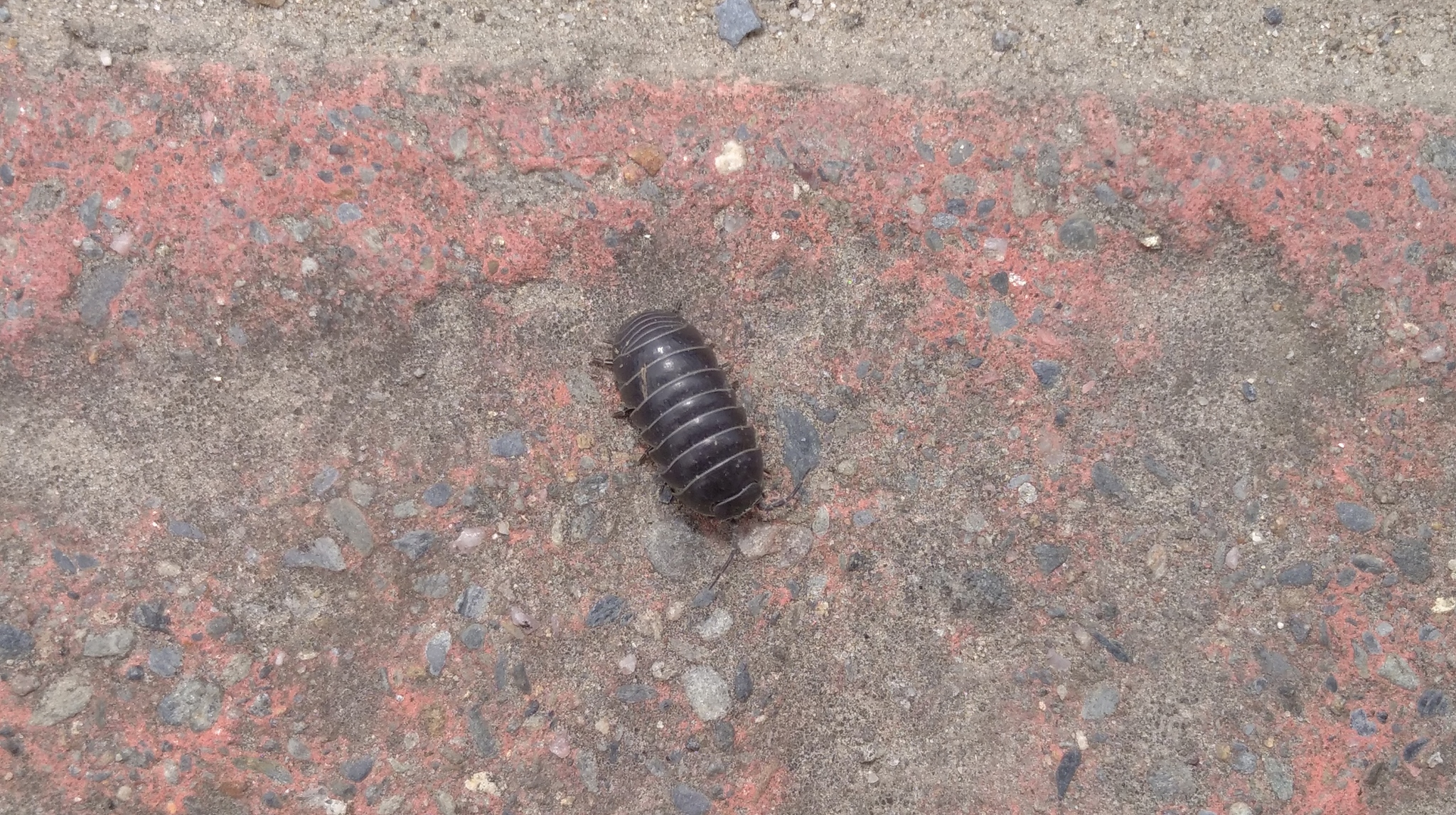
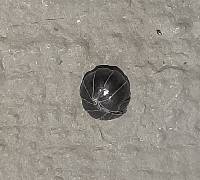
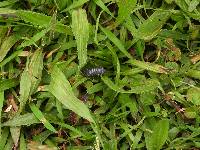
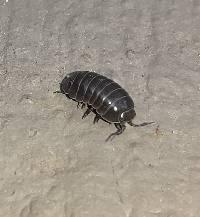
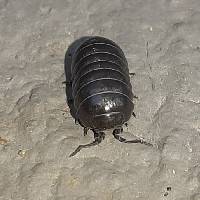
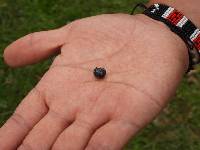
Armadillidium vulgare, the common pill-bug, common pill woodlouse, roly-poly, potato bug, slater, doodle bug, or carpenter is a widespread European species of woodlouse and the most extensively investigated terrestrial isopod species. It is native to Mediterranean Europe, but has been an introduced species and naturalized in almost all suitable ecosystems. Many of their behaviors are driven by the prevention of desiccation, or drying out, which is why they are commonly found in high humidity, moderate temperature areas. Within ecosystems, they feed primarily on plant litter, which is essential for nitrogen cycling, and serve as prey for spiders, centipedes, and other small organisms.
They are kept as pets by hobbyists for their wide range of possible color variations.
Description
Armadillidium vulgare may reach up to a length of
Habitat and ecology
1 Habitat and ecology
1.1 Habitat preferences
1.2 Foraging and diet
1.3 Predation
The greatest limitation to the A. vulgare's survival is the risk of drying out (also known as desiccation). As such, they thrive in regions with higher humidities, moderate temperatures, and with lower light conditions. This is why they are often found underneath rocks, within forests, or under pieces of wood. During the winter, they avoid shores directly exposed to cold air and instead opt for areas near water where soil does not freeze so they can retain water and burrow. Armadillidium vulgare is able to withstand drier conditions than many other woodlouse species, and is restricted to calcareous soils or coastal areas.
The diet of A. vulgare is incredibly varied. Primarily, the species are detritivores primarily feeding on decomposing plant litter. However, they have also been shown to consume seeds (granivory), living plant matter, dead animal remains, fungi and dung. A. vulgare consumption of fungi in particular has shown to have regulatory impacts on the release of carbon dioxide (a greenhouse gas). since the fungi that the woodlouse...