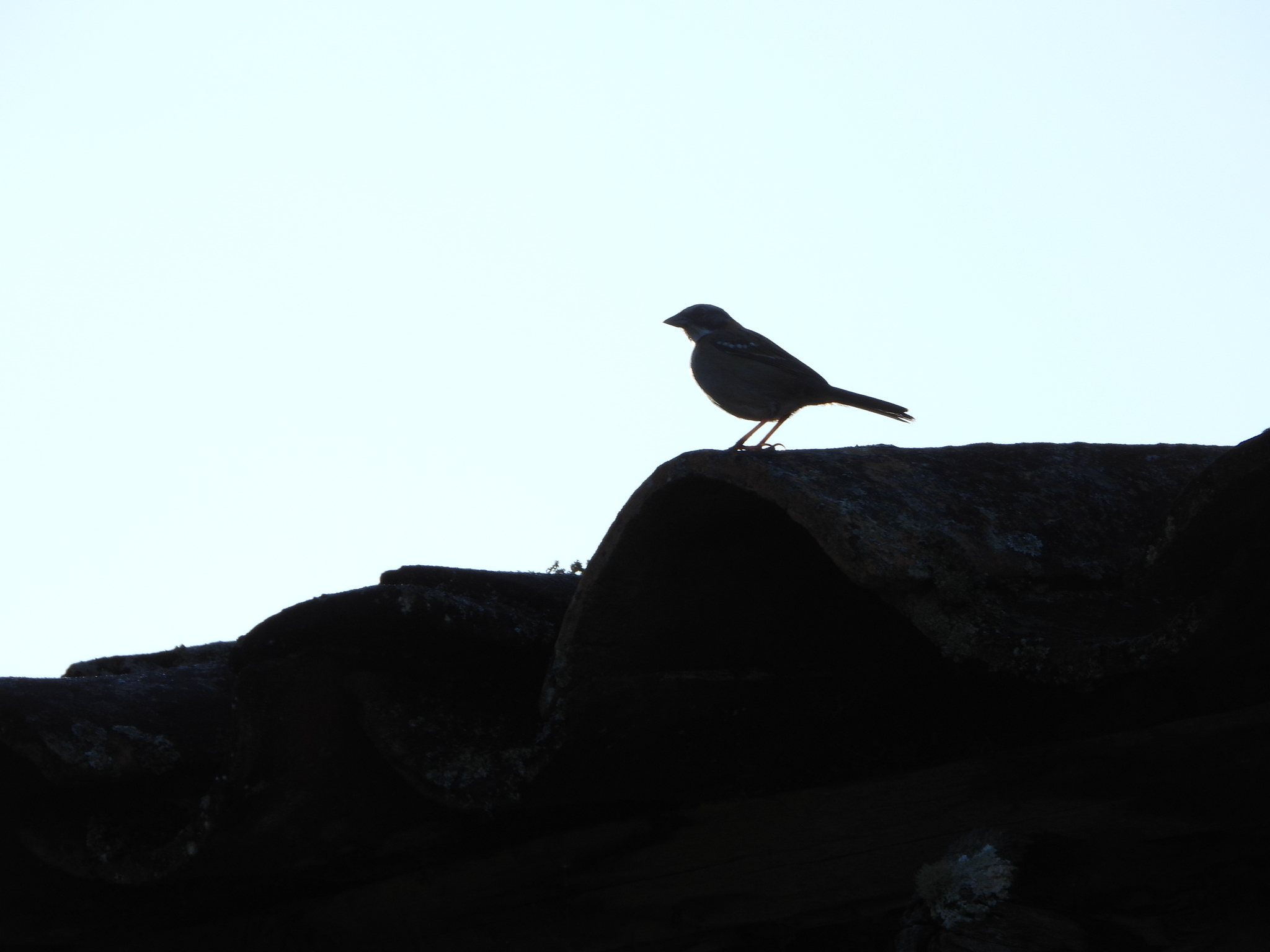
Zonotrichia is a genus of five extant American sparrows of the family Passerellidae. Four of the species are North American, but the rufous-collared sparrow breeds in highlands from the extreme southeast of Mexico to Tierra del Fuego, and on Hispaniola.
Etymology
The genus name Zonotrichia is from Ancient Greek ζώνη (zone, transl. band) and θρίξ (thrix, transl. hair).
Species
The species in the genus Zonotrichia are:
Image
Scientific name
Common name
Distribution
Zonotrichia leucophrys
White-crowned sparrow
North America
Zonotrichia albicollis
White-throated sparrow
Canada and New England
Zonotrichia atricapilla
Golden-crowned sparrow
north-central Alaska (including the Aleutian Islands as far west as Unimak Island) and central Yukon south to the northwestern corner of the US state of Washington, and wintering from southern coastal Alaska to northern Baja California
Zonotrichia capensis
Rufous-collared sparrow
south-east of Mexico to Tierra del Fuego, and on the island of Hispaniola
Zonotrichia querula
Harris's sparrow
north part of central Canada (primarily the Northwest Territories and Nunavut, ranging slightly into northern Manitoba and Saskatchewan)
†Zonotrichia robusta
Miramar Formation, Argentina (Pleistocene)
These birds have brown backs streaked with black, and distinctive head markings. Their cup nests, built by the female, are of plant material lined with fine grasses and constructed on the ground, low in a tree or bush, or in a niche in a wall.
The female lays brown-blotched greenish-blue or greenish white eggs, which she incubates for 12–14 days. The male helps in feeding the chicks.
Zonotrichia sparrows feed on the ground on seeds, fallen grain, insects and spiders.