Vigna luteola, commonly known as the hairy cowpea and the Nile bean, is a perennial vine found in many tropical and subtropical areas.
Names
Vigna luteola is widely known in North America by the common names hairy cowpea or hairypod cowpea. This common name is derived from the Chickasaw waakimbala, which translates literally to "cow bean".
The vine also has a variety of other common names in South America and the Caribbean. In Cuba, the plant is known as frijol cimarrón, Spanish for "wild bean", in Venezuela the plant is known as bajuco marullero, and in the Bahamas the plant is known as yellow vigna.
Description
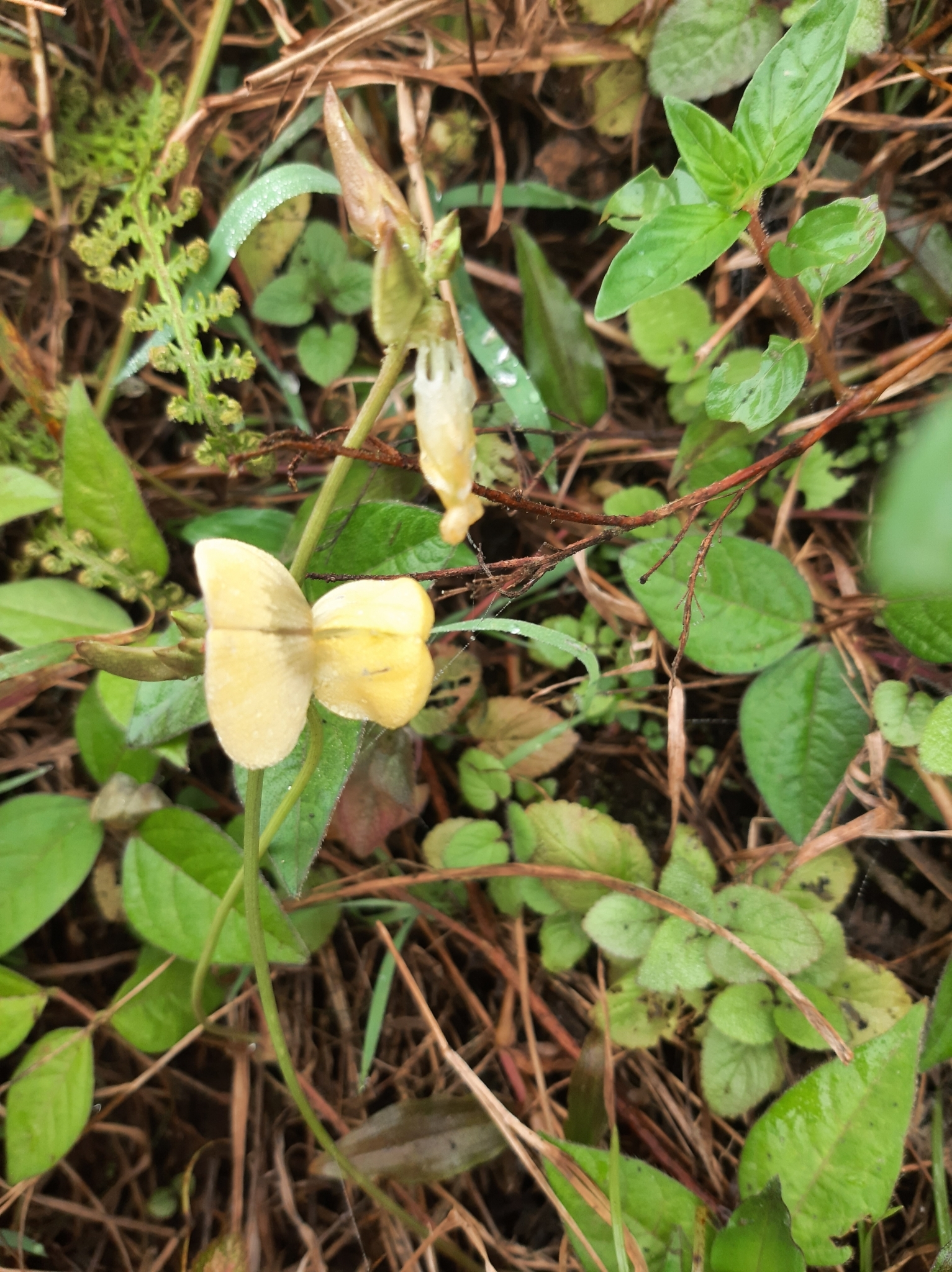
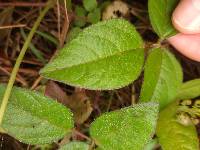
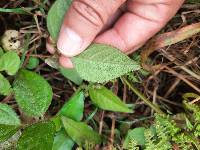
Vigna luteola is a hairy, short-lived perennial vine that occurs in moist soil and grows in either a spreading or climbing fashion. Its leaves are trifoliate, meaning they are a compound leaf of three leaflets. The leaflets are oval shaped and become acute at their apex. The leaflets are 2.5–10 cm (0.98–3.94 in) long, and 1.5–5 cm (0.59–1.97 in) wide. It has numerous yellow flowers that are 1.8–2.2 cm (0.71–0.87 in) long and are made of one large standard petal, two lateral wing petals, and two lower keel petals. This creates bilateral symmetry in the flower. It has thin, pubescent pods that are up to 5 cm (2.0 in) long and 5–6 mm (0.20–0.24 in) wide. The pods are range from green to brown or black. The pods contain numerous large black seeds, and the pod twists spirally when the seeds are dispersed.
The flavonoids quercetin and isorhamnetin are found in the leaves, and are thought to help the plant resist aphids. The seeds resist storage pests due to their high levels of phytic acid, trypsin, and cystatin.
Morphology
Vigna luteola is a hairy, short-lived perennial vine that occurs in moist soil and grows in either a spreading or climbing fashion. Its leaves are trifoliate, meaning they are a compound leaf of three leaflets. The leaflets are oval shaped and become acute at their apex....