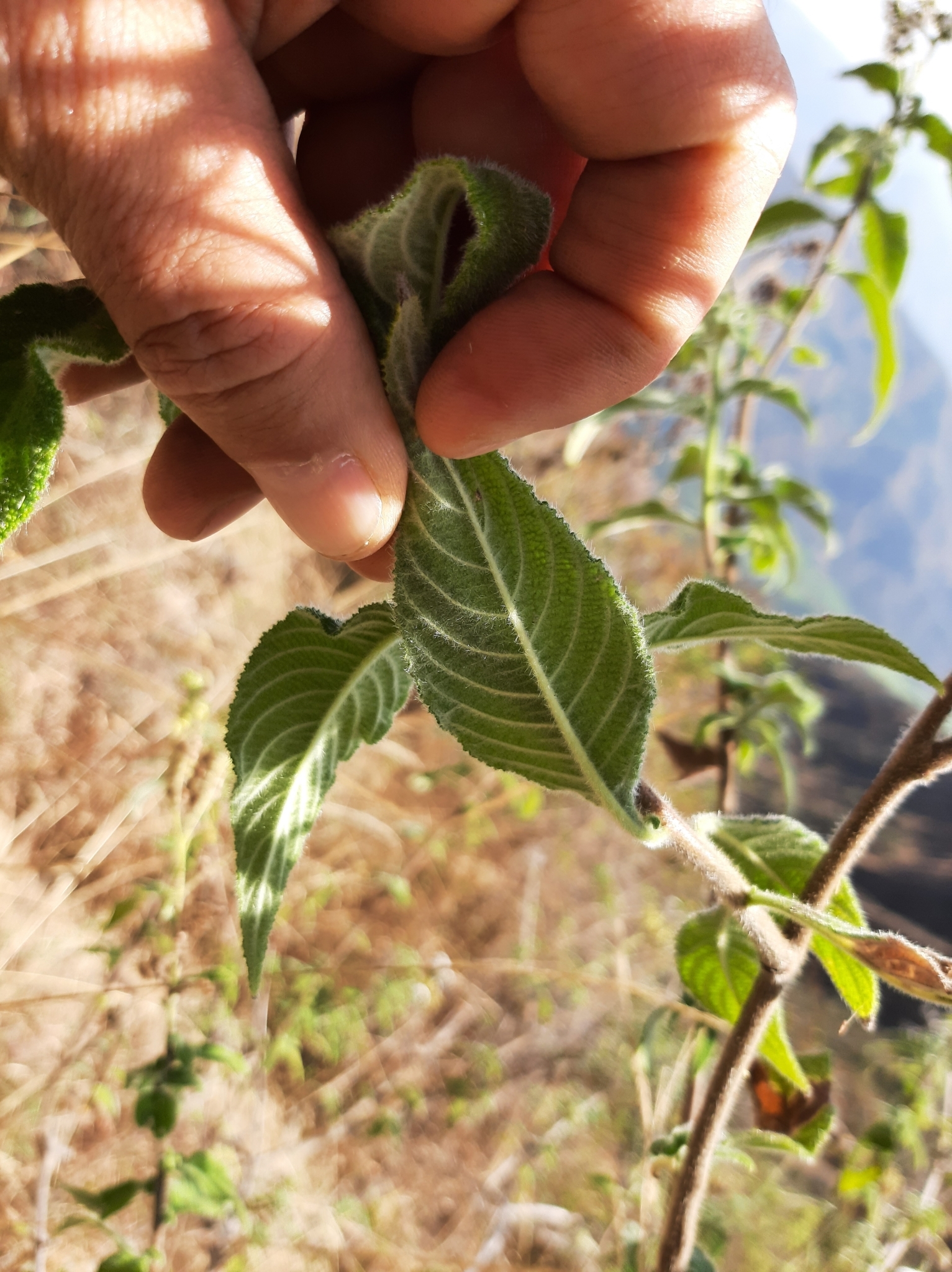
Heliotropium is a genus of flowering plants with around 325 species commonly known as heliotropes. They are highly toxic to dogs and cats, as well as to humans.
Description
Like other members of the Heliotropiaceae, plants in the genus Heliotropium have 5-merous, tetracyclic flowers and actinomorphic corollas. They likewise share in their characteristic terminal styles and highly modified stigmatic heads (basal stigma, infertile apex). Species in the genus are typically herbs or subshrubs exclusively and are characterized by their dry fruits that divide into two or four mericarpids.
@media all and (max-width:720px){
Heliotropium anomalum var. argenteum
Heliotropium europaeum (European heliotrope)
Heliotropium indicum inflorescence
Heliotropium procumbens habit
H. strigosum in India
5-merosity in H. strigosum
Taxonomy
Taxonomic revision supported through molecular phylogenetics led to the recognition of Euploca as genus separate from Heliotropium. In contrast, the genus Tournefortia was included in Heliotropium in a 2016 revision.
Within Heliotropium, there are four major clades:
Heliotropium sect. Heliothamnus I.M.Johnst.
Old World Heliotropium clade
Heliotropium sect. Cochranea (Miers) Post & Kuntze
Tournefortia clade, comprising Tournefortia sect. Tournefortia and all remaining New World Heliotropium species
Although traditionally included in the family Boraginaceae s.l., the genus is placed in the family Heliotropiaceae within the Boraginales order by the Boraginales Working Group.
Three of the four major clades within Heliotropium have their centers of diversity in South America. The origins of the remaining Old World Heliotropium clade can be traced back to a single colonization event from the New World. ITS1 data shows there is a single characteristic long deletion between positions 61 and 111 in the genome of the Old World species, which defines the Old World...