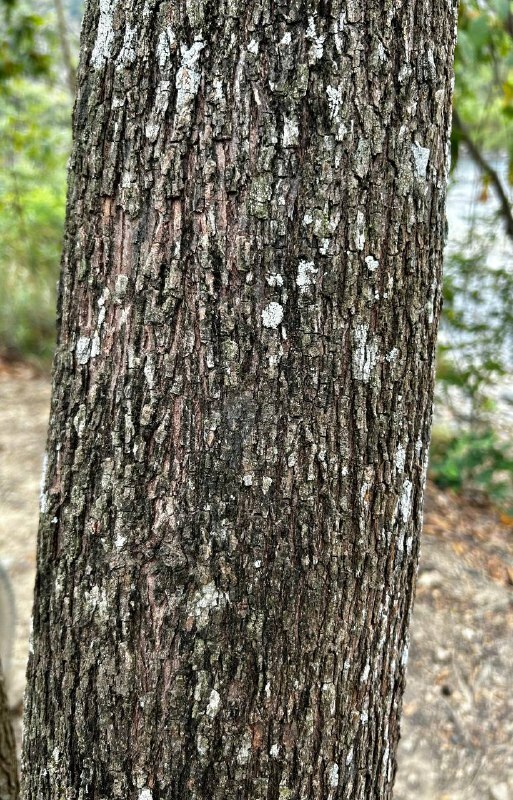
Guazuma ulmifolia, commonly known as West Indian elm or bay cedar, is a medium-sized tree normally found in pastures and disturbed forests. This flowering plant from the family Malvaceae grows up to 30m in height and 30–40 cm in diameter. It is widely found in areas such as the Caribbean, South America, Central America and Mexico serving several uses that vary from its value in carpentry to its utility in medicine.
Description
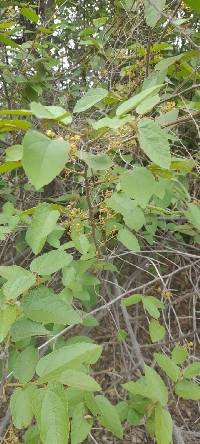
Guazuma ulmifolia flowers.
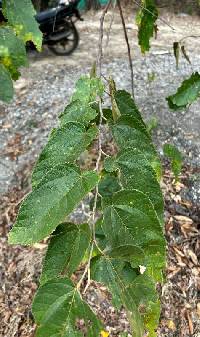
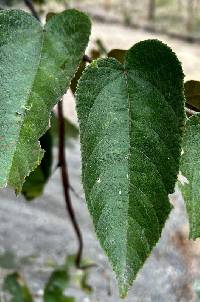
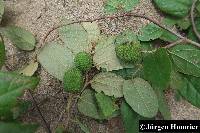
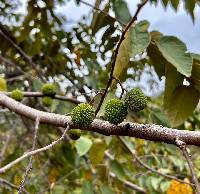
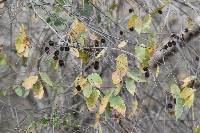
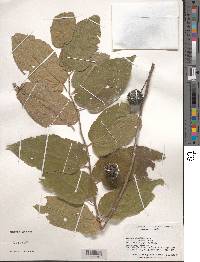
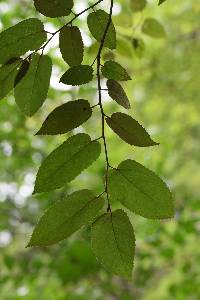
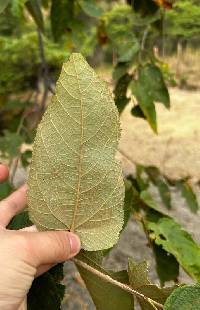
Guazuma ulmifolia grows to 30m in height and 30–40 cm in diameter and comes with a rounded crown. Leaves are distributed in an alternate pattern with 2 rows in assembled flatly. The leaves are ovate to lance-shaped, finely saw-toothed margin, usually have a rough texture and are 6–13 cm in length and 2.5–6 cm in diameter. Three to five main veins arise from the base (rounded or notched, unequal sided) of the leaf which has a darker green upper surface and a fairer green color underneath. They are virtually hairless and thin. The leaf stalks of this species are lean, approximately 6-12mm long, and are covered with small "star-shaped" hairs.
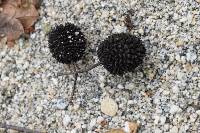
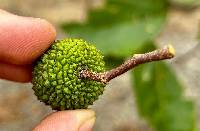
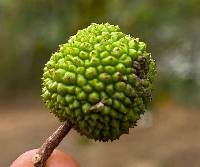
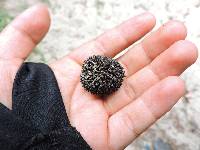
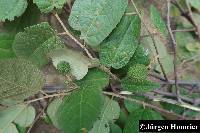
The panicles (indeterminate flower clusters) are in a branched pattern around 2.5–5 cm in length and are found at the bottom of the leaves. The flowers come in many, are short-stalked, small in size, have a brown-yellow color, five parted, 1 cm in length and have a small fragrance to them. The calyx contains are lobed (2–3), have hairs that are brown or light grey, as well as greenish. They have 5 petals with a yellow-like stamen, 15 anthers per pistil, 5 stigmas (combined), ovary lighter green in color with hairs, and also contains a style. The fruit which have capsules that are round to elliptical is 15-25mm in length. They have many seeds that are shaped like eggs and are 3mm in length, grey.
The species flowers throughout the year, in particular from April to October. Guazuma ulmifolia can be cultivated by either...