Papaver somniferum, commonly known as the opium poppy or breadseed poppy, is a species of flowering plant in the family Papaveraceae. It is the species of plant from which both opium and poppy seeds are derived and is also a valuable ornamental plant grown in gardens. Its native range is the western Mediterranean region, but has since been obscured by widespread introduction and cultivation since ancient times to the present day. It is now naturalised across much of the world with temperate climates.
Description
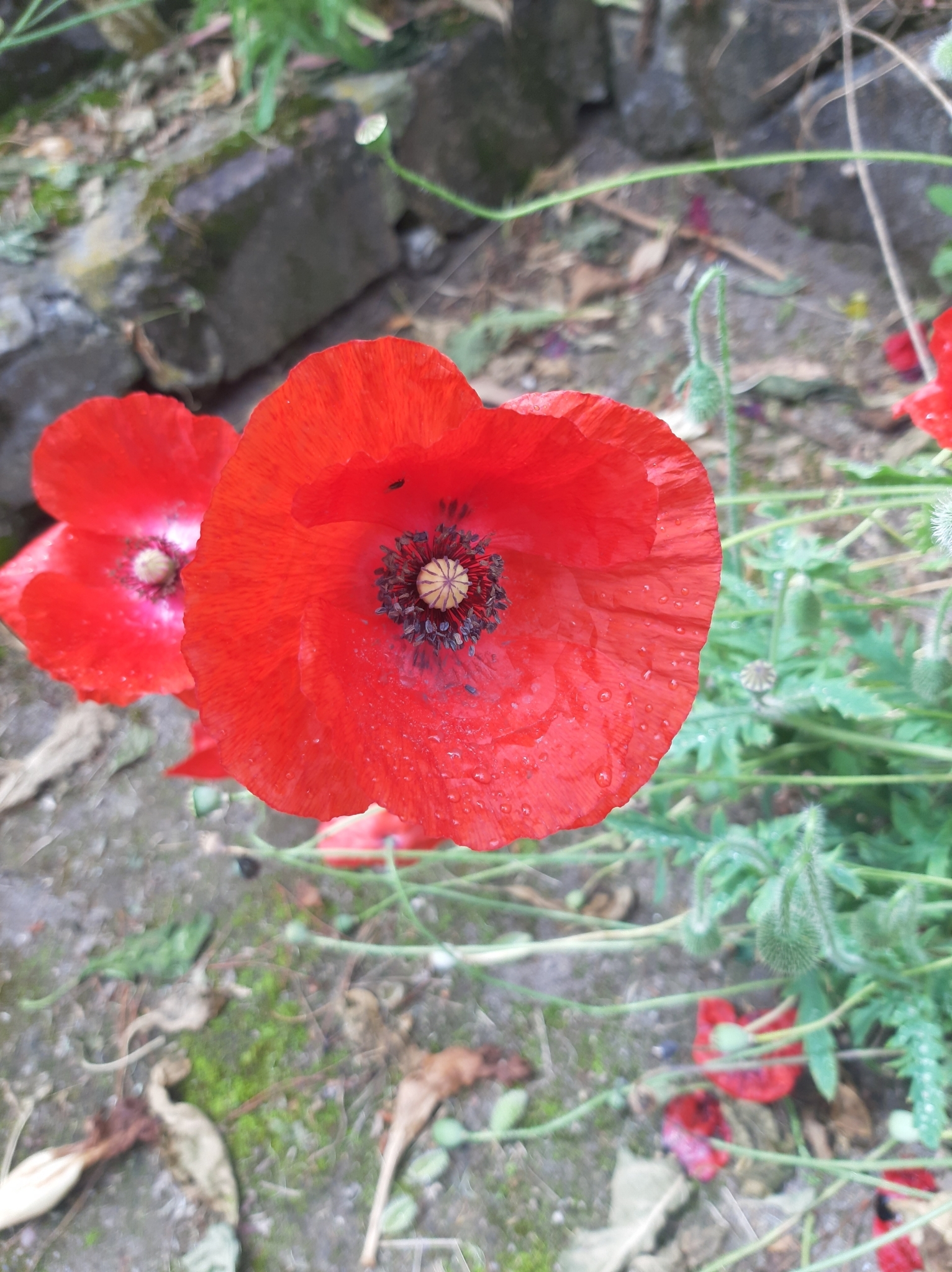
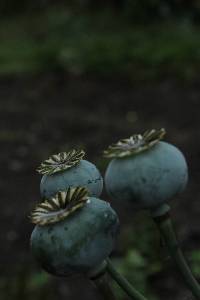
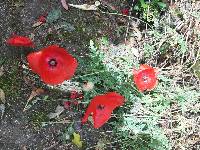
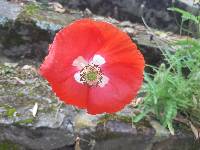
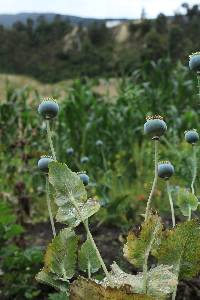
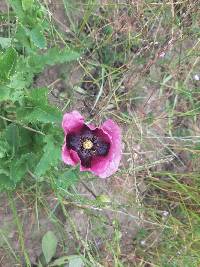
Papaver somniferum is an annual herb growing to about 100 centimetres (40 inches) tall. The plant is strongly glaucous, giving a greyish-green appearance, and the stem and leaves bear a sparse distribution of coarse hairs. The large leaves are lobed, the upper stem leaves clasping the stem, the lowest leaves with a short petiole. The flowers are up to 8–18 cm (3–7 in) diameter, normally with four red, white, or mauve petals, often with a dark patch at the base of each petal. The fruit is a hairless, rounded capsule topped with 12–18 radiating stigmatic rays, or fluted cap. All parts of the plant exude white latex when wounded.
Distribution and habitat
The native range of opium poppy is probably Macaronesia, W. & Central Mediterranean , but extensive cultivation and introduction of the species throughout Europe since ancient times have obscured its origin. It has escaped from cultivation, or has been introduced and become naturalised extensively in all regions of the British Isles, particularly in the south and east, with its seeds having been found in archaeological material dating back to the Bronze Age and in almost all other countries of the world with suitable, temperate climates.
Taxonomy
Papaver somniferum was given its accepted name by the Swedish botanist Carl Linnaeus on page 508 of his Species Plantarum in 1753. It is classified in the genus Papaver within the larger family Papaveraceae. It has two accepted subspecies and one natural hybrid between them:...