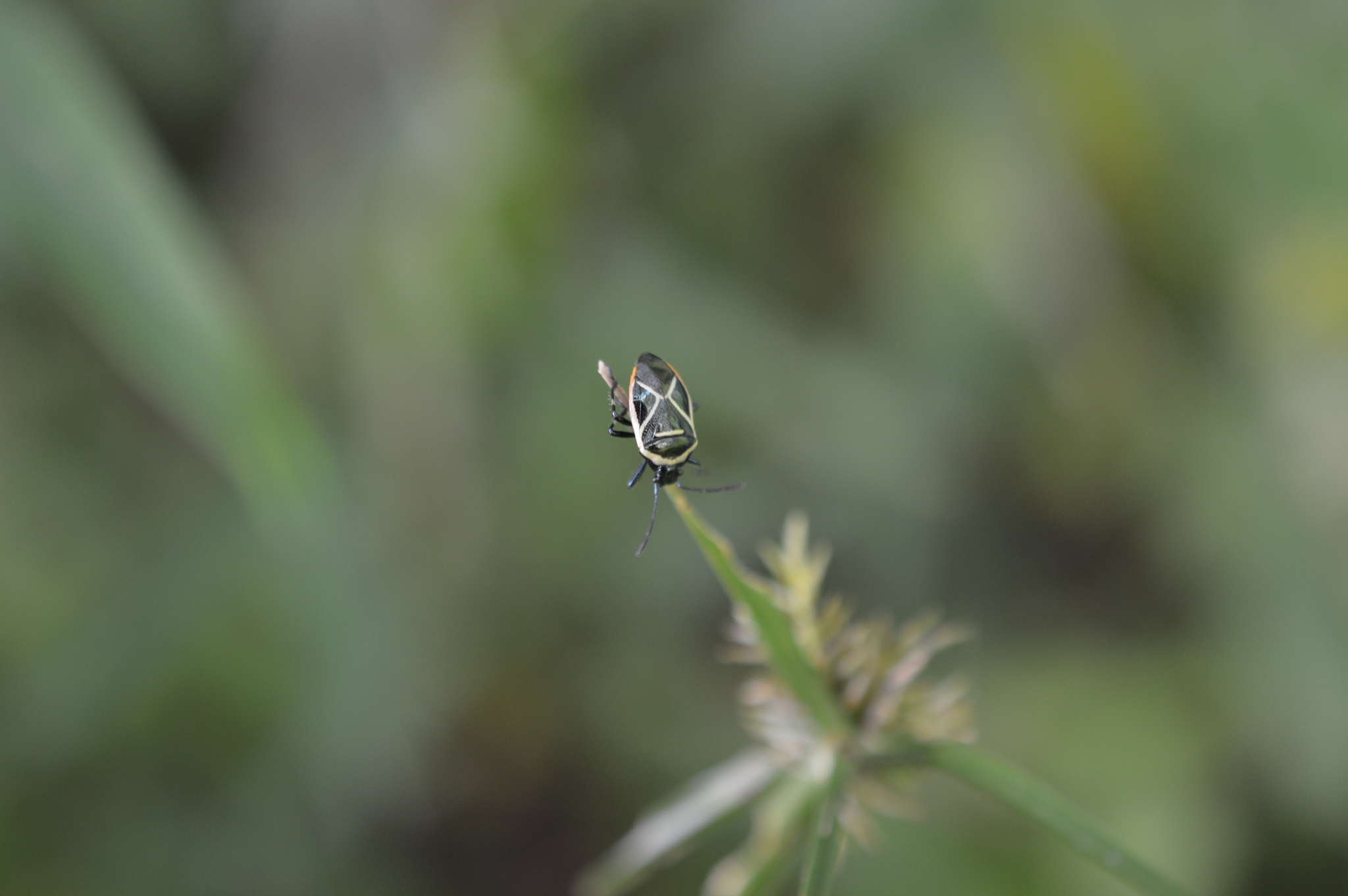
Acanthosomatidae is a family of Hemiptera, commonly named shield bugs and sometimes stink bugs. There are currently recognised about 200 species in the genera below, making it one of the least diverse families within Pentatomoidea. The Acanthosomatidae species are found throughout the world, being most abundant in high-latitude temperate regions and in subtropical regions at high altitudes.
One of the most well-known species in Acanthosomatidae is the hawthorn shield bug (Acanthosoma haemorrhoidale), which is found throughout Europe and also northern Siberia; this species is typically green or brown and has a distinctive shape with two projections on its thorax. It feeds on various plants, including hawthorn, rowan, and cherry.
Description
Acanthosomatidae have heads that are keeled laterally and possess a pair of five-segmented antennae. The mesosternum has a strongly projecting keel. The tarsi of the legs are bisegmented. The second visible abdominal sternite has an elongate spine that projects forward. The spiracles of the second abdominal segment are concealed by the metapleura. Abdominal sternite III has paired trichobothria. In males, sternite VIII is exposed, and there is a specialised genital capsule. In females, one or two pairs of Pendergrast's organs are present in the abdomen (sometimes absent, e.g. Elasmucha) and sternite VII has an emarginate posterior margin.
Acanthosomatidae are generally similar to Pentatomidae in appearance. Various sources distinguish them based on the number of tarsal segments, being two in acanthosomatids and three in pentatomids. However, some pentatomids have bisegmented tarsi as well.